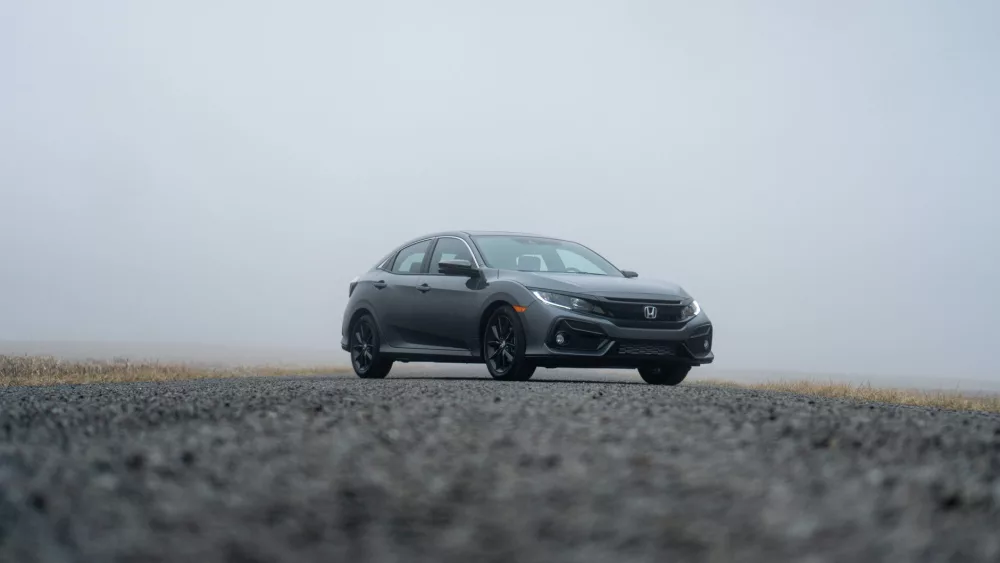
When you own a car, hearing the word "recall" can be a bit jarring. It’s natural to feel a pang of worry, isn't it? Especially when it involves a brand we trust, like Honda. For years, Honda has built a reputation for reliability and engineering excellence. But even the best manufacturers sometimes discover issues that require them to call back vehicles for repairs or modifications. I mean, nobody's perfect, right? It's just part of the automotive world.
What Exactly is a Car Recall?
So, what are we really talking about here? A car recall, at its core, is when a manufacturer or the National Highway Traffic Safety Administration (NHTSA) determines that a vehicle model has a defect that could pose an unreasonable risk to safety. This could be anything from a faulty brake system to an airbag that doesn't deploy correctly, or even something seemingly minor that could escalate into a major problem. They aren't trying to trick anyone; it's about making things right and keeping us safe on the road. When we buy a new car, or even a used one, we're relying on the manufacturer to have done their due diligence. And sometimes, despite their best efforts, things get missed or develop over time.
It’s important to understand that recalls aren't necessarily a sign of a bad car or a bad company. They're actually a crucial part of the safety net designed to protect consumers. Think of it as an ongoing commitment to product safety. Honda, like all major automakers, invests heavily in research, development, and rigorous testing. But real-world driving conditions can expose issues that laboratory tests might not catch. That's why this process exists.
Why Do Recalls Happen?
Recalls happen for a whole bunch of reasons, really. Sometimes it's a design flaw that only becomes apparent after thousands of units are on the road. Other times, it's a component from a supplier that turns out to be defective. I remember when the Takata airbag issue really hit the news; that was a massive, industry-wide problem stemming from a single supplier, affecting practically every major car brand, including Honda.
- Design Flaws: An engineering miscalculation or a poor design choice might lead to a safety issue down the line. It's a complex process to design a vehicle, and sometimes things just don't pan out as expected.
- Manufacturing Defects: Errors on the assembly line, or issues with a specific batch of parts, can also trigger recalls. This is often about quality control failing at a certain point.
- Supplier Issues: As I mentioned with Takata, a single faulty part from a third-party supplier can impact millions of vehicles across multiple manufacturers. Honda, like everyone else, sources components from various companies.
- Government Investigation: Sometimes, NHTSA, our national safety watchdog, will initiate an investigation based on consumer complaints or crash data. If they find a systemic safety defect, they can compel a manufacturer to issue a recall.
- Internal Discovery: Often, the manufacturer itself discovers a potential safety risk through their own testing, warranty claims, or field reports. It's good practice for them to be proactive.
It's a really complex web of factors, and it highlights how many different hands and processes are involved in getting a car from concept to your driveway.
The Honda Recall Process: What You Can Expect
When Honda identifies an issue, or is directed to by NHTSA, they spring into action. It's not a quick decision, though. There's a lot of investigation that goes on behind the scenes to confirm the defect and understand its scope.
Notification for Owners
Once a recall is official, Honda is obligated to notify registered owners. This usually happens via postal mail. You'll receive an official letter detailing the specific defect, the potential risks it poses, and what steps you need to take. This letter is super important, so don't just toss it aside! It will typically include:
- A clear description of the defect and the potential safety risk.
- The specific models and production ranges affected.
- Instructions on how to get the repair done, usually at a Honda dealership.
- Information that the repair will be performed at no cost to you. That’s a big one, because recalls are always free for the owner.
I always tell people, even if you bought your Honda used, if it's registered in your name, you should receive a notice. If you've moved, make sure your vehicle registration is updated, or you might miss out on critical information.
Getting the Repair Done
Once you get that letter, the next step is pretty straightforward: contact your local authorized Honda dealership. You'll want to schedule an appointment for the recall service. They'll have specific parts and procedures to address the defect. Because it's a safety recall, the dealership performs the repair completely free of charge, regardless of your vehicle's age, mileage, or warranty status. That's federal law, and it's there to protect you.
Sometimes, if it's a really widespread recall, parts might be temporarily scarce. Dealerships do their best to manage inventory, but patience might be needed in some cases. However, if the defect is particularly severe, Honda might even advise you not to drive the vehicle until the repair is completed. Always follow their guidance closely.
Common Honda Recall Issues We've Seen
Over the years, like any large manufacturer, Honda has had its share of recalls. Some have been minor, others, like the Takata airbag situation, were massive in scale and impact. Let's look at a few examples.
- Takata Airbag Inflators: This one was huge. Millions of Honda vehicles, along with many other brands, were recalled due to faulty Takata airbag inflators that could rupture and spray shrapnel. This recall has been ongoing for years, and it's absolutely critical for owners to get this repair done if their car is affected.
- VCM (Variable Cylinder Management) Issues: Some Honda V6 engines with VCM technology experienced excessive oil consumption and spark plug fouling. While not always a safety recall, issues with VCM have been a common complaint, sometimes leading to extended warranty programs or service campaigns.
- Fuel Pump Recalls: We've seen various recalls related to fuel pumps, where a faulty pump could lead to engine stalling, increasing the risk of a crash. This is a pretty serious one, as a sudden loss of power can be very dangerous.
- Electrical System Concerns: From time to time, specific electrical components, like battery sensors or wiring harnesses, have been subject to recalls due to fire risk or other failures.
- Software Updates: Modern cars are essentially computers on wheels. Sometimes, a software glitch in a vehicle's control unit can affect anything from braking to emissions or even infotainment, leading to a recall for a software update.
Each of these recalls, big or small, underscores the manufacturer's responsibility and the ongoing effort to ensure vehicle safety.
What to Do If Your Honda Is Recalled
Finding out your car has an open recall can be a little unsettling, but honestly, it's pretty easy to deal with. The key is to act promptly.
First off, don't panic! It means the problem has been identified, and a solution exists. Your biggest job is simply to get the repair done. Here’s what I'd recommend:
- Check for Recalls Regularly: Don't wait for a letter. You can proactively check for open recalls on your Honda anytime. The easiest way is to visit Honda's official recall website or the NHTSA recall website and enter your Vehicle Identification Number (VIN). It's a 17-character code usually found on your dashboard, visible through the windshield, or on your driver's side door jamb sticker. I make it a point to check my own car a couple of times a year, just to be sure.
- Contact Your Dealership: Once you confirm an open recall, call your preferred Honda dealership. Let them know you have a recall to address. They'll need your VIN to confirm the recall and order any necessary parts.
- Schedule the Service: Book an appointment. Be sure to ask how long the repair is expected to take and if a loaner vehicle will be available if you need one.
- Keep Records: Once the repair is complete, keep the service receipt for your records. This proves the recall was addressed, which can be important for resale value or if there are any future related issues.
It really is that straightforward. Ignoring a recall, especially a safety recall, is something you absolutely shouldn't do. Not only could it put your safety at risk, but it could also lead to more significant damage to your vehicle down the road.
The Broader Impact of Recalls
Recalls don't just affect owners; they have a significant impact on Honda as a company, too. There are massive financial costs involved – from the parts themselves to labor costs for dealerships, and administrative expenses for notifications. Beyond the money, there's the reputational hit. No company wants to be associated with safety defects, and Honda works hard to maintain its image of quality and reliability. That's why they often go to great lengths to address these issues swiftly and comprehensively.
The entire process also pushes manufacturers, including Honda, to constantly refine their quality control measures, improve design processes, and enhance supplier oversight. It's a continuous feedback loop aimed at making cars safer for all of us. Ultimately, even though recalls can be a hassle, they're a necessary and positive part of the automotive industry's commitment to safety. As owners, our participation in getting these repairs done is crucial to that ongoing safety effort. Stay informed, stay safe!