I often find myself reflecting on the concept of a hotel. For many, it's just a temporary roof, a place to crash after a long flight or a day of meetings. But I've come to see them as far more than mere waypoints; they are intricate ecosystems, miniature societies operating with astonishing precision to cater to a myriad of human needs and desires. Think about it: a hotel isn't just selling a room; it's selling an experience, a promise of comfort, security, and sometimes, a fleeting sense of luxury or adventure. From the moment you step into the lobby, there's a curated atmosphere designed to transport you, even if just for a night or two. It’s quite remarkable when you consider the sheer scale and diversity of what falls under that single umbrella term.
A Journey Through Hospitality: From Ancient Inns to Modern Marvels
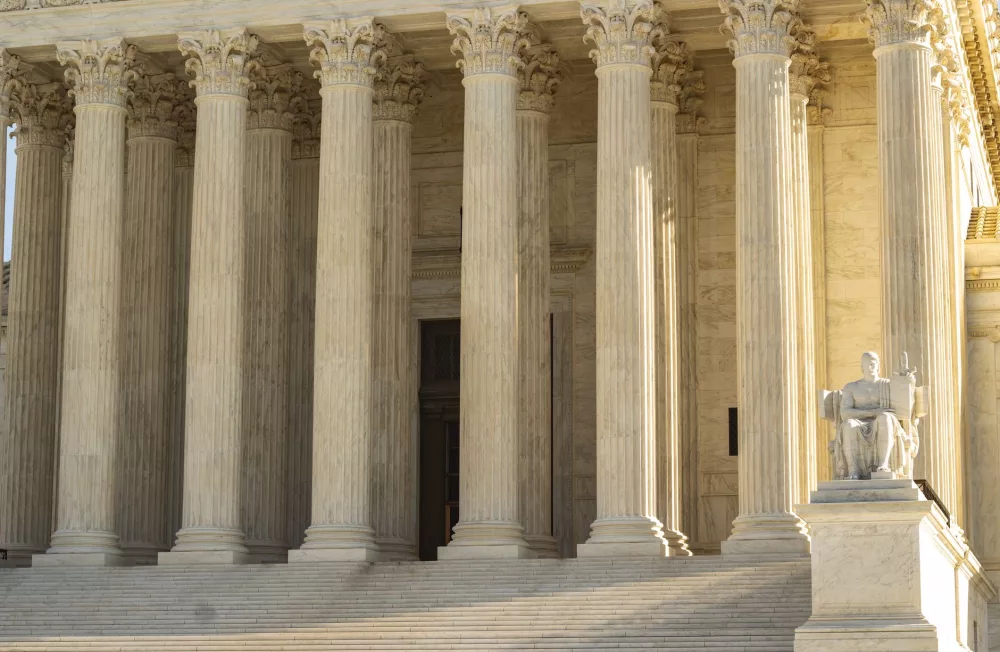
The history of hotels is a fascinating narrative, mirroring the evolution of travel itself. If we trace back, we aren't talking about five-star resorts; we're talking about ancient inns and caravanserai along trade routes – simple, often communal spaces offering respite to weary travelers and their animals. These early establishments were about basic survival, a place to find food, shelter, and maybe a bit of company. Fast forward through centuries, and we see the emergence of grand European hotels, palaces for the wealthy that redefined luxury travel in the 18th and 19th centuries. They weren't just places to sleep; they were social hubs, architectural statements, and centers of culture. I can only imagine the conversations and dealings that transpired within those opulent walls.
Today, the landscape is incredibly diverse. We've got everything from budget motels providing no-frills convenience to sprawling integrated resorts that are destinations in themselves, complete with theme parks, casinos, and multiple dining options. This expansion reflects our changing travel patterns and expectations. People don't just want a bed; they want amenities, connectivity, and sometimes, a story to tell.
Categorizing Comfort: The Myriad Faces of Modern Lodging
When I think about the different types of hotels, my mind instantly jumps to a few distinct categories, each serving a unique purpose:
- Business Hotels: Typically found in urban centers, these establishments are tailored for the corporate traveler. They prioritize efficiency, offer reliable Wi-Fi, meeting facilities, and often have a professional, understated decor. I've spent countless nights in such places; they're designed for productivity and quick transitions.
- Leisure & Resort Hotels: These are the fun ones! Often located in scenic areas, near beaches, mountains, or popular tourist attractions, they emphasize relaxation and recreation. Think swimming pools, spas, kids' clubs, and a variety of dining choices. My family and I gravitate towards these when we need a proper escape.
- Boutique Hotels: This category holds a special place for me. Boutique hotels are usually smaller, independently owned, and prioritize unique design, personalized service, and a distinct character. They often reflect the local culture or a specific aesthetic, offering a departure from the cookie-cutter experience. You really get a sense of place here.
- Extended Stay Hotels: Designed for longer durations, these properties often include kitchenettes and separate living areas, aiming to provide a home-away-from-home feel. They're perfect for business travelers on assignment or families relocating.
- Budget & Economy Hotels: Essential and affordable, these places strip away non-essentials to offer clean, comfortable accommodation at a lower price point. They're a lifesaver when you're on a tight budget or just need a place for a quick stopover.
And let's not forget the niche markets: eco-friendly hotels focusing on sustainability, wellness hotels centered around health and rejuvenation, or even airport hotels designed purely for transit convenience. The options are truly boundless.
Behind the Scenes: The Orchestration of Hospitality
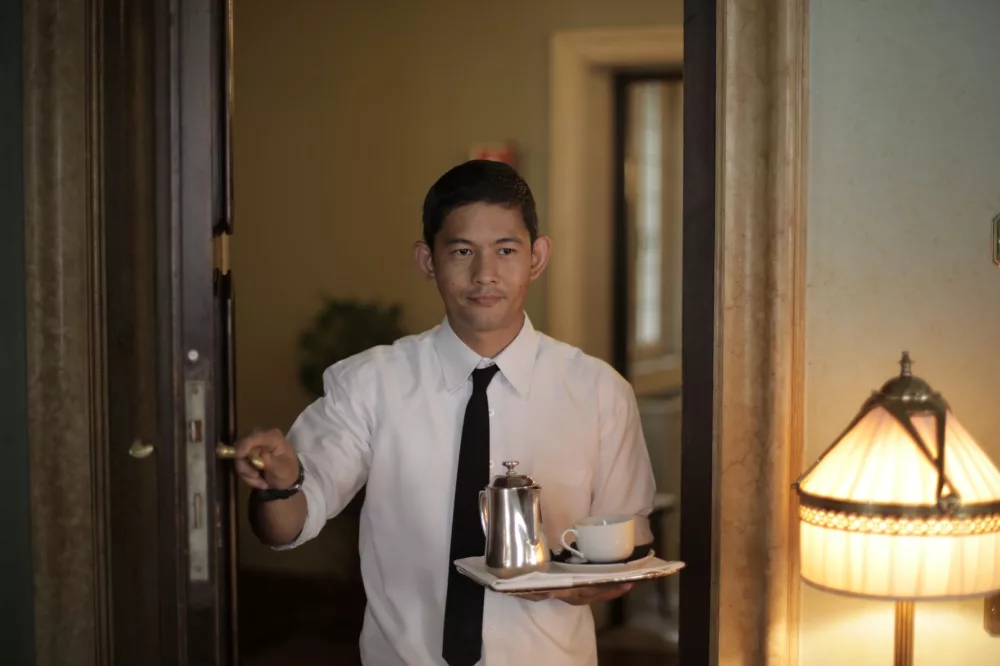
What I find truly fascinating is the sheer operational complexity involved in running even a medium-sized hotel. It's like a finely tuned orchestra, with every department playing a crucial role. You've got the front office, the welcoming face of the hotel, handling check-ins, check-outs, and guest inquiries around the clock. Then there's housekeeping, the unsung heroes who ensure every room is immaculate, a task I wouldn't envy! The food and beverage department manages restaurants, bars, room service, and event catering, a colossal undertaking in itself. And that's just scratching the surface; there's engineering, security, sales and marketing, human resources, finance—each a vital cog in the machine.
"The hotel industry is a constant balancing act between anticipating guest needs and reacting to the unexpected. It requires an incredible amount of coordination and dedication from hundreds of individuals."
I've heard stories from hotel managers about the wild requests and peculiar situations they encounter, and it just reinforces my view that it takes a special kind of person to thrive in this environment. Empathy, problem-solving, and an unwavering commitment to service are paramount.
The Evolving Guest Experience: Technology and Personalization
The guest experience isn't static; it's constantly evolving, largely driven by technological advancements and shifting consumer expectations. Remember when Wi-Fi was a luxury? Now, it's a basic human right in any hotel. Mobile check-ins, keyless entry via smartphones, smart room controls for lighting and temperature, and personalized recommendations based on past stays are becoming increasingly common. I've seen hotels experimenting with AI concierges and robot room service delivery, which still feels a bit futuristic, but it's happening.
Sustainability is another huge factor. Guests, myself included, are more conscious of their environmental footprint. Hotels that demonstrate a genuine commitment to reducing waste, conserving energy, and sourcing locally are gaining a competitive edge. It’s not just a marketing gimmick; it's an expectation.
Ultimately, a hotel's success, in my opinion, boils down to the human touch. Technology can enhance efficiency and convenience, but it can't replace a genuine smile, a proactive solution to a problem, or that feeling of being genuinely welcomed. That's the magic ingredient, the element that transforms a mere transaction into a memorable stay. The best hotels don't just provide a room; they provide a sense of belonging, however temporary, and that's something I truly appreciate.
Looking Ahead: What's Next for Hotels?
As I ponder the future of hotels, I don't see them disappearing anytime soon. Travel is ingrained in us. However, I do anticipate continued innovation. We might see more integration with local communities, offering guests more authentic experiences. Hyper-personalization, driven by data analytics, will likely allow hotels to anticipate needs even before guests voice them. The lines between work and leisure travel will continue to blur, leading to more flexible spaces that can serve both purposes seamlessly. Perhaps we'll see more hybrid models, blurring the lines with co-working spaces or residential units. One thing I'm certain of: the core human desire for comfort, safety, and a touch of novelty will ensure the hotel industry continues to adapt, surprise, and thrive.