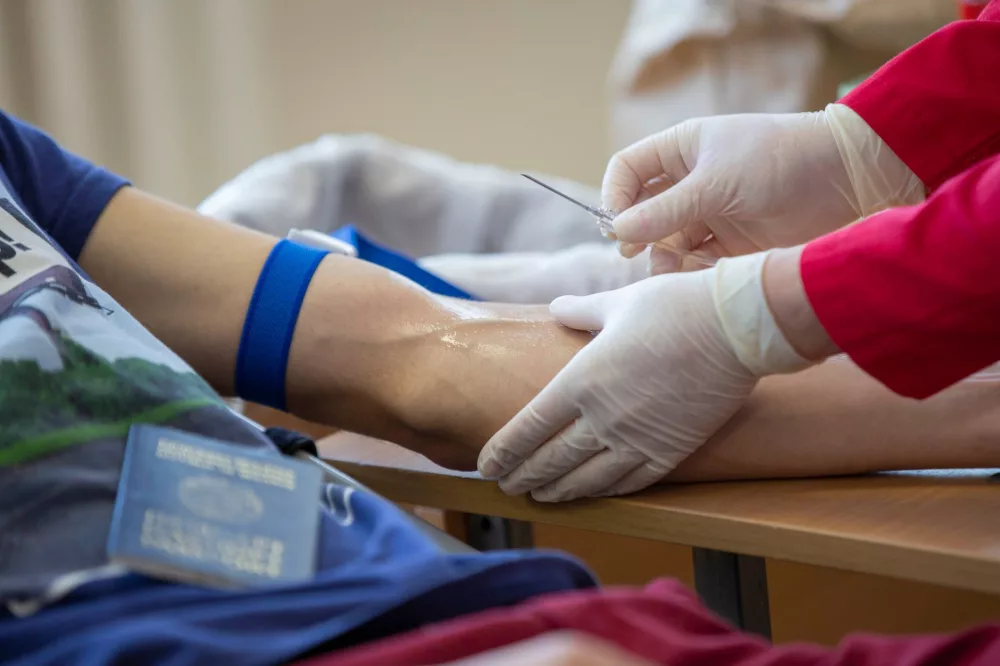
When we talk about healthcare, our minds often jump to surgeons, doctors, or nurses, right? And that's fair, they're on the front lines in so many ways. But I've always found it fascinating how many essential roles underpin the entire medical system, roles that, while sometimes less visible, are absolutely critical. One such role, and one I think deserves a lot more recognition, is phlebotomy. It’s a foundational skill, an art really, that bridges patient care with laboratory diagnostics, and frankly, without it, modern medicine as we know it just wouldn't function.
You see, phlebotomy isn't just about sticking someone with a needle; it's a precise procedure, a blend of scientific understanding and empathetic patient interaction. It's about drawing blood samples from patients for a variety of medical purposes, ranging from diagnostic testing and monitoring treatment effectiveness to transfusions and research. These tiny samples hold a wealth of information, providing doctors with the insights they need to make accurate diagnoses and tailor treatment plans. It’s what gives us that initial snapshot of a patient's internal health, and it's a responsibility I think we often underestimate.
The Phlebotomist's Essential Role in Patient Care
So, what exactly does a phlebotomist do? Well, it's far more than just collecting blood. A phlebotomist is often one of the first healthcare professionals a patient encounters during a hospital visit or clinic appointment. This means they have a pretty important job in setting the tone for the patient's experience. My personal experience tells me that a calm, competent, and compassionate phlebotomist can make a huge difference, especially for those who are anxious about needles or have had bad experiences in the past. We're talking about establishing trust, explaining the procedure clearly, and ensuring the patient feels as comfortable as possible. It's a delicate dance between technical skill and soft skills.
Beyond patient interaction, their responsibilities are quite extensive. They've got to ensure they're using the correct collection tubes for specific tests, accurately labeling every single sample, and following strict protocols to prevent contamination or misidentification. Incorrect labeling, for instance, could lead to a misdiagnosis, and nobody wants that. They also need to know how to handle and transport specimens properly to maintain their integrity until they reach the lab. It's a chain of custody that starts with them, and every link has to be strong.
Techniques and Equipment: A Closer Look
Let's get into the nitty-gritty of how they actually get those samples. The most common method, and probably what most people think of, is called venipuncture. This involves drawing blood from a vein, typically in the arm. But it's not the only way. For very small children, infants, or patients with fragile veins, a capillary puncture might be used, often from a fingertip or heel. In some specialized cases, like for blood gas analysis, an arterial puncture might be performed, though this is usually done by a nurse or doctor due to its complexity and higher risk.
The tools of the trade are pretty standard but require precise handling:
- Needles: These come in various gauges and lengths. Choosing the right one depends on the patient's vein size and the amount of blood needed.
- Evacuated Tube Systems: These are probably the most common. They consist of a needle, a plastic holder, and vacuum-sealed tubes. Each tube has a specific colored stopper indicating the additive inside, which is crucial for different types of tests. For example, a lavender top means EDTA, used for complete blood counts, while a red top might have no additive, used for serum chemistry. Knowing these differences is absolutely essential.
- Tourniquets: Used to temporarily impede venous blood flow, making veins more prominent and easier to locate.
- Antiseptics: Alcohol wipes are standard, but sometimes iodine or chlorhexidine is used, especially for blood cultures where sterility is paramount.
- Gauze and Bandages: For post-collection care.
Honestly, you've got to be proficient with all these tools and understand why you're using each one. It's not just muscle memory; it's informed action.
Safety First: Protecting Patients and Phlebotomists
Safety is a huge part of phlebotomy; it simply has to be. I mean, we're dealing with blood and needles, so the risks are obvious. Phlebotomists adhere to strict safety protocols to protect both themselves and their patients from infection and injury. Personal Protective Equipment (PPE), like gloves, is non-negotiable. For certain situations, I've seen phlebotomists use masks and eye protection, too. We're talking about universal precautions here – treating every sample as potentially infectious.
Another really important aspect is patient identification. Before drawing blood, a phlebotomist must confirm the patient's identity using at least two unique identifiers, like their full name and date of birth. This prevents critical errors that could lead to someone receiving the wrong diagnostic results or treatment, which would be a complete disaster. It's a simple step, but one that absolutely cannot be skipped or rushed.
What happens if things don't go perfectly? Sometimes, a patient might feel faint, or a hematoma (a bruise) might form. A well-trained phlebotomist knows how to handle these situations calmly and professionally, providing immediate care and reassurance. They're also meticulous about sharps disposal, immediately placing used needles in puncture-resistant containers to prevent accidental needle sticks, which are a major safety concern in healthcare.
Becoming a Phlebotomist: Training and Certification
If this sounds like a challenging but rewarding career, you're probably wondering how one gets into it. Becoming a certified phlebotomist typically involves completing a specialized training program. These programs cover anatomy and physiology, venipuncture techniques, specimen handling, safety protocols, and medical ethics. They usually include classroom instruction and a significant amount of hands-on clinical experience, which is where you really get comfortable with the procedures.
After completing a program, many phlebotomists pursue national certification through organizations like the National Phlebotomy Association (NPA), the American Society for Clinical Pathology (ASCP), or the National Healthcareer Association (NHA). While not always legally required in every state, certification definitely enhances job prospects and demonstrates a commitment to professional standards. It shows employers and patients that you've met a certain benchmark of competence, and I think that brings a lot of peace of mind.
The Broader Impact: Diagnostics and Beyond
The role of phlebotomy extends far beyond just taking blood. Those samples are the lifeblood of the diagnostic laboratory. They enable a vast array of tests, from simple blood sugar checks and cholesterol panels to complex genetic analyses and cancer markers. Without accurate and properly collected samples, the most advanced laboratory equipment and the most skilled pathologists would be unable to do their jobs effectively.
Think about it: an abnormal complete blood count might signal an infection or anemia; specific enzyme levels can indicate heart damage; and hormone tests are crucial for endocrine disorders. Phlebotomists are the gatekeepers of this diagnostic information, ensuring that the samples are pristine and ready for analysis. They are, in essence, the very first step in the diagnostic pathway, and that makes their contribution immeasurable. It's a fantastic example of how a specialized technical skill directly and significantly influences patient outcomes across the entire healthcare spectrum.
Ultimately, phlebotomy is a profession that requires precision, empathy, and an unwavering commitment to patient safety and quality care. It's a career where you directly contribute to saving lives and improving health outcomes every single day. The skill involved in finding a difficult vein, calming an anxious patient, and ensuring the perfect sample is collected really is something to admire. It's a specialized role, yes, but its importance to our health system is profound.