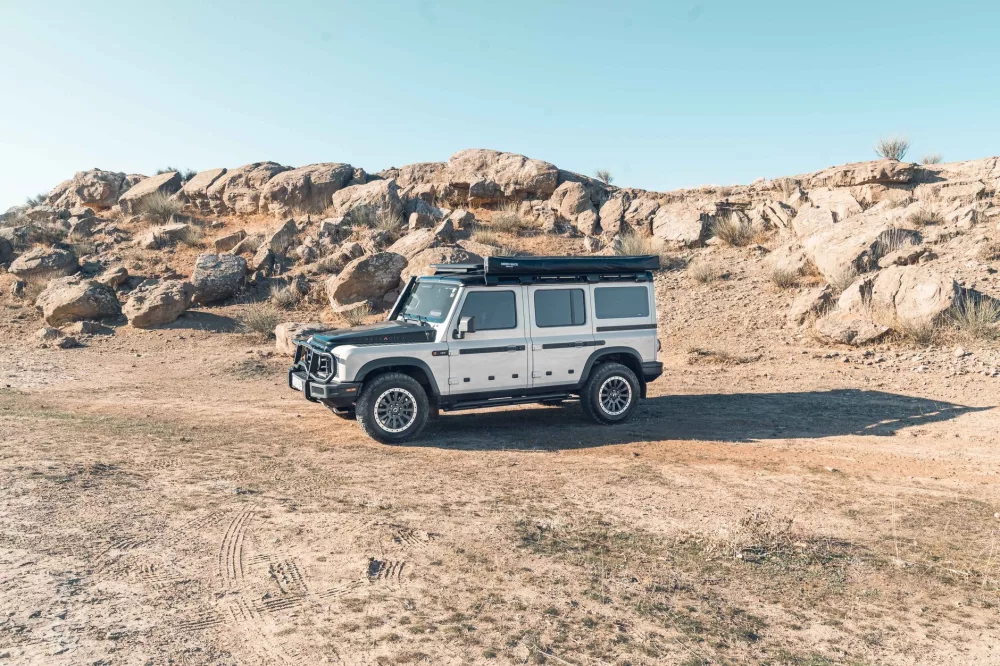
When I first heard about the Ineos Grenadier, I'll admit I was genuinely intrigued. Sir Jim Ratcliffe, a billionaire chemical magnate, essentially said, "Hey Land Rover, you've left a huge gap in the market by making the Defender, well, a bit too posh. I'm gonna build the Defender you should have built." That's a bold claim, isn't it? And frankly, I think it resonated deeply with many of us who appreciate genuine, no-nonsense utility vehicles. We've seen so many iconic names go soft, losing their original grit, and the Grenadier promised to be a refreshing return to rugged individualism. I mean, who doesn't love a good underdog story, especially when it involves resurrecting a forgotten philosophy?
The Genesis: Filling a Void
The story behind the Grenadier is pretty compelling, if you ask me. Ratcliffe, a keen adventurer himself, was reportedly disappointed when the original Land Rover Defender ceased production in 2016. He saw a gaping hole for a truly capable, no-frills, go-anywhere 4x4. Not a luxury SUV with off-road pretensions, but a proper workhorse designed to handle the toughest conditions on Earth. This wasn't about reinventing the wheel, but rather perfecting it for a specific, demanding purpose. He gathered a team, bought the former Smart factory in Hambach, France, and set about making his vision a reality. It wasn't just about building a car; it was about building a legacy.
Design Philosophy: Form Follows Function, Unapologetically
As soon as you lay eyes on the Grenadier, its purpose becomes abundantly clear. It’s not trying to win any beauty pageants, and I love that about it. The design is brutally honest, prioritizing functionality above all else. Every line, every panel, every component seems to serve a direct purpose. It harks back to those classic 4x4s we grew up admiring – think original Defender, classic G-Wagen, or even older Land Cruisers. This isn't retro styling; it's a reinterpretation of classic utility. For instance, those exposed door hinges aren't a design flourish; they're there for strength and ease of repair. The integrated roof rails and utility belts? Absolutely genius for mounting gear. It’s like they thought of everything a proper overlander or worksite vehicle would need, right out of the box.
Exterior Features I Appreciate:
- External Utility Belts: These aren't just for looks; they let you strap on shovels, jerry cans, or recovery boards without cluttering the interior. Super practical.
- Integrated Roof Rails: No need for aftermarket solutions; they're built right in, ready for your roof tent or cargo.
- Two-Piece Rear Door: A smaller door for quick access and a larger one for serious loading – simple, but effective.
- Round Lights: Easy to replace and less prone to damage than complex modern light clusters.
Engineering for Extremes: Built to Endure
Beneath that no-nonsense exterior lies some serious engineering muscle. Ineos didn't skimp here, and that's precisely what sets the Grenadier apart. They opted for a proper body-on-frame chassis, something increasingly rare in modern SUVs. This provides immense strength and durability for off-road abuse. Then there are the heavy-duty beam axles from Carraro, a company known for agricultural and construction equipment. These aren't delicate independent setups; they're designed to take a beating and keep going. Combine that with three locking differentials (front, center, and rear are all lockable as standard on the Trailmaster edition, or optional on the Utility Wagon), and you've got a vehicle that can claw its way out of almost any situation.
For power, Ineos partnered with BMW, which I think was a really smart move. You get to choose between a 3.0-litre turbocharged straight-six petrol engine (B58) or a 3.0-litre turbocharged straight-six diesel engine (B57). Both are tried-and-tested, supremely reliable units known for smooth power delivery and decent efficiency. They’re paired with ZF's excellent 8-speed automatic transmission, which I find shifts seamlessly and is incredibly robust. This combination offers plenty of torque for climbing and hauling, without feeling overwhelmed.
The Interior: Practicality Over Plushness
Step inside the Grenadier, and you'll immediately notice the theme continues: utility, utility, utility. It’s a purposeful space designed for dirty boots and muddy adventures. You won't find acres of soft-touch plastics or fancy screens here. Instead, you'll see chunky, easy-to-operate buttons and switches, many of which are aerospace-inspired. They're clearly labeled and big enough to use with gloves on, which is a huge plus for those working in cold climates or on a dusty trail. The central infotainment screen, while modern, is wisely supplemented by a physical control knob. This setup, to me, is far less distracting than purely touch-based systems when you're navigating rough terrain.
Key Interior Highlights:
- Physical Buttons: A breath of fresh air! No hunting through sub-menus for basic functions.
- Overhead Controls: Reminiscent of an aircraft cockpit, these manage things like diff locks and auxiliary switches, keeping the main console uncluttered.
- Washable Floors: Yes, you heard that right. Hosed-out interiors are a dream for anyone who actually uses their 4x4 for dirty work.
- Robust Seating: Recaro seats are comfortable for long hauls but also incredibly durable.
It isn't lavish, but it feels incredibly well-built and ready for anything you throw at it. For me, that's far more important than acres of leather or digital displays you can't read in direct sunlight.
On the Road and Off It: A True Performer
Driving the Grenadier is an experience. On the tarmac, it's surprisingly civilized. It's not a sports car, nor does it pretend to be. The ride is firm but comfortable, soaking up imperfections well, and those BMW engines provide ample power for highway cruising. You're not going to be carving corners, but it feels stable and confident. This is a vehicle that lets you cover long distances without feeling completely battered.
But where it really shines, where it truly comes alive, is when the asphalt ends. This is its natural habitat. With its generous ground clearance, short overhangs, impressive articulation, and those triple diff locks, the Grenadier just eats up challenging terrain. I've seen it tackle obstacles that would leave most modern "SUVs" whimpering. It's built for purpose, and that purpose is undeniably conquering the wild. It feels utterly confidence-inspiring, and that's precisely what you want from a vehicle designed for remote exploration or tough jobs.
The Ineos Vision and Future
Ineos isn't just selling a vehicle; they're building a brand around durability, repairability, and a strong community. They've emphasized accessibility to parts and repair manuals, encouraging owners to maintain their own vehicles where possible. They're also developing a robust network of authorized service partners and a wide range of accessories to support the adventurous lifestyle their customers lead. I think this holistic approach, focusing on the entire ownership experience and not just the initial sale, is a smart strategy and will certainly endear them to their target audience.
What Ineos has done with the Grenadier is something truly special. They haven't just created another SUV; they've reignited a passion for authentic, uncompromising off-road capability. It's a vehicle that doesn't apologize for what it is – a rugged, utilitarian workhorse and adventure companion designed to go anywhere and do anything. For those of us who miss the simplicity and capability of classic 4x4s, the Grenadier isn't just a car; it's a statement. It's proof that sometimes, going back to basics with modern reliability is exactly what the market needed. And honestly, I'm genuinely excited to see how it shapes the future of serious off-roading.